Home › Etchu Yatsuo › Owara Kaze no Bon › Silkworm Eggs and Washi: The Wealth Behind Yatsuo's Festivals
Silkworm Eggs and Washi: The Wealth Behind Yatsuo's Festivals
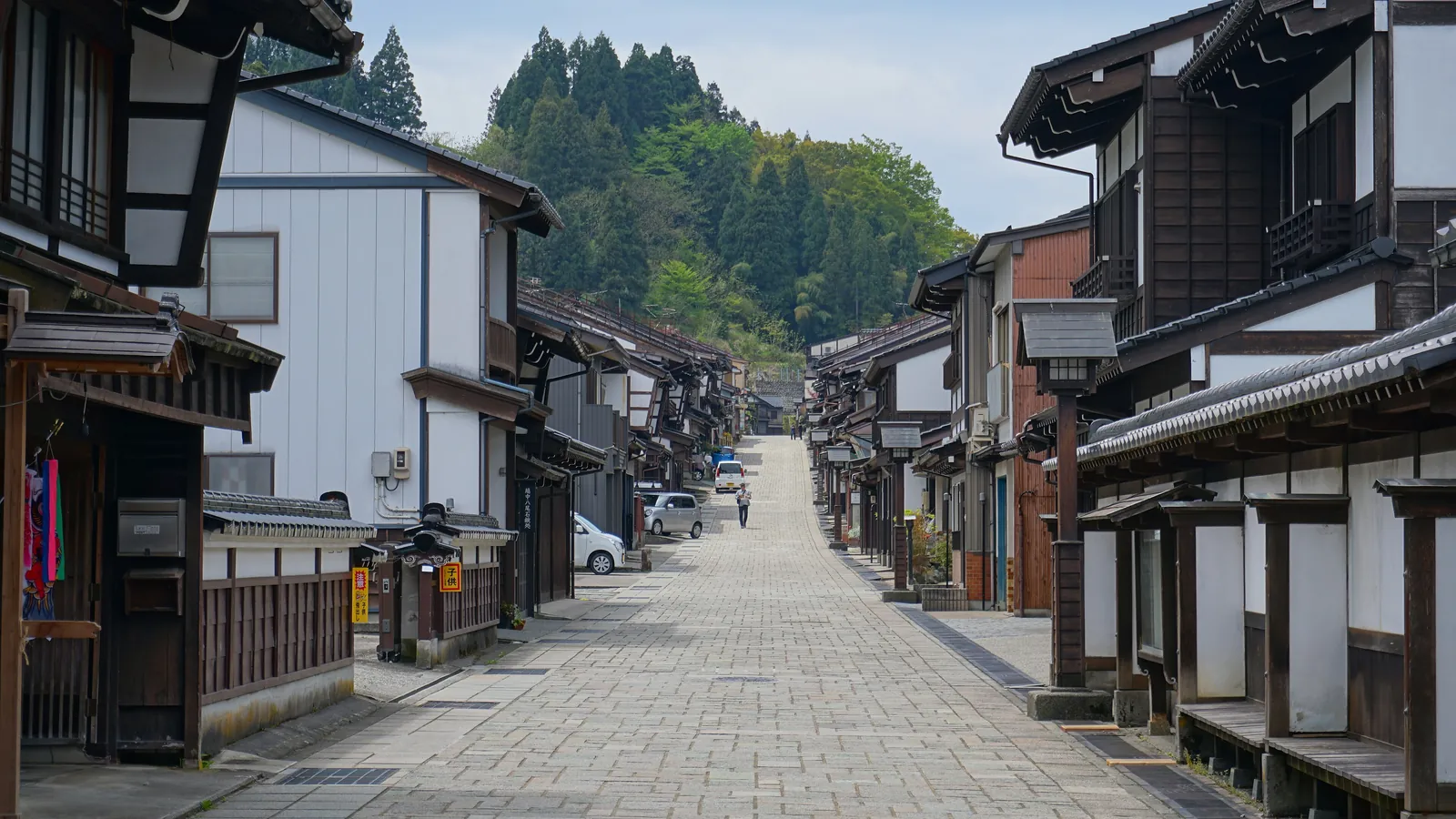
Such Lavish Festivals Have a Source Somewhere
Why did festivals of this order survive in a small town in the hills? Hikiyama festival floats adorned with carving, chased metalwork, and lacquer. The song and dance of Owara, polished to the finest detail. Both take considerable wealth and many hands, whether to create or to carry on. Trace the source of it all, and you arrive at two trades: silkworm eggs, and washi paper.
Eggs and Paper That Produced Wealth Enough to Sustain a Domain
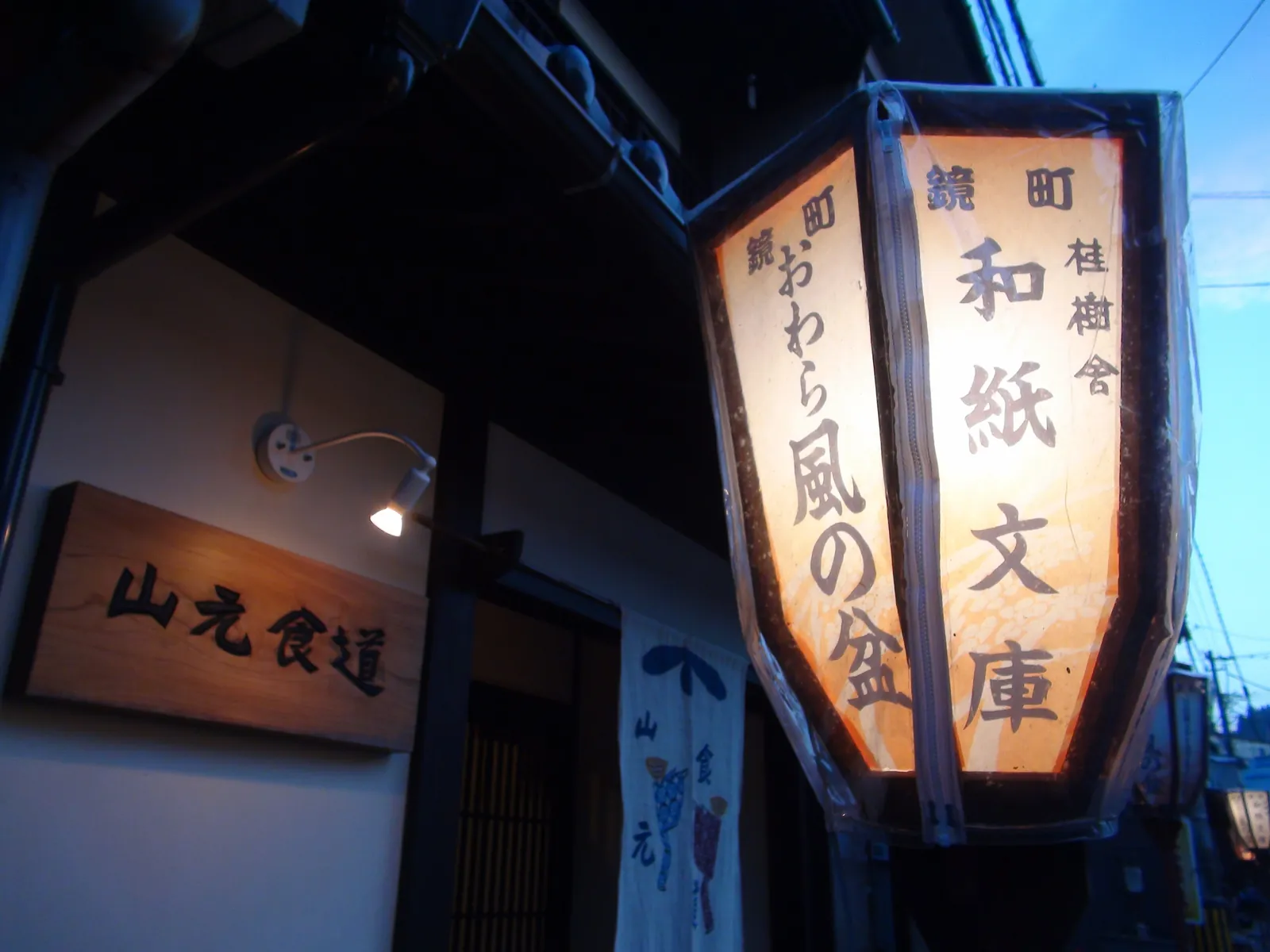
Sanshu means silkworm eggs. In the age when silk-raising flourished, high-quality silkworm eggs were a commodity that silk regions across the country competed to obtain. Yatsuo was known nationwide as a producer of silkworm eggs, and merchants seeking them made their way to this town of slopes. Not silk itself, but the source of silk — that was the trade this mountain town chose.
The other pillar was Yatsuo washi. Known for its strength, this paper was bound closely to Toyama's famous medicine trade as the paper that wrapped the medicines, and it sustained the town's livelihood. The craft of papermaking is carried on in Yatsuo to this day.
The wealth these two trades produced is said to have been great enough to support the finances of the Toyama domain. A single country town, not even a castle town, propping up a domain's treasury — that is the economic strength this mountain town once had. The eye that wonders at the festivals' extravagance has the order backwards: the town was rich first, and the festivals followed.
The Wealth Is Gone, but What It Was Poured Into Remains
The townspeople poured their earnings into the arts: the carving and lacquer of the floats, the song and dance of Owara. Times changed and the trades changed shape, but what the wealth was poured into — the floats and the songs — has been kept up by human hands and survives to this day.
In May the hikiyama climb the slopes; in September the sound of Owara drifts through the town. The lavish festivals are the memory of an age of silk and paper, still in motion. This town's riches were recorded not in account books, but in its songs and its floats.