Home › Etchu Yatsuo › Owara Kaze no Bon › Owara Kaze no Bon in the Rain: Why the Dancing Pauses
Owara Kaze no Bon in the Rain: Why the Dancing Pauses
The short answer — rain pauses it, light rain means wait
Let us start with the conclusion. When it rains at Owara Kaze no Bon, the dancing and the music are paused. If it is a light rain that looks like lifting, wait. If it is falling hard, let that part of the night go. That is the whole of the etiquette. The sky in early September is changeable, and a single night can cycle through rain and clearing more than once. Rather than riding the ups and downs of every scrap of news about cancellation, knowing why it stops will let you pass a rainy night far more calmly.
It stops because the kokyu must not get wet
The kokyu (bowed lute) and the shamisen are delicate instruments, vulnerable to damp and rain. The skin stretched over the body changes its voice as it takes in moisture, and a soaking damages the instrument itself. The dancers' costumes and amigasa (woven straw hats) cannot be allowed to get wet either. A pause for rain is not a killjoy's cancellation but a decision to protect the instruments and the people who carry Owara. Once the reason is understood, waiting feels different.
Early September is, after all, nihyakutoka — the 210th day counted from risshun, the traditional first day of spring. It falls in the season of ill winds, when typhoons tend to come, and this observance has been carried on precisely then, as a prayer to calm those winds. Rain here is no accident; it is all but written into the calendar. That a festival of prayer should be shaken by the weather was part of the bargain from the start.
The craft of waiting

- Rainwear that leaves both hands free beats an umbrella. On the narrow slopes, umbrellas collide
- Wet flagstones are slippery, so wear sturdy shoes with good grip
- While the rain is heavy, do not force it — the rule is to wait for a lull, then return to the street
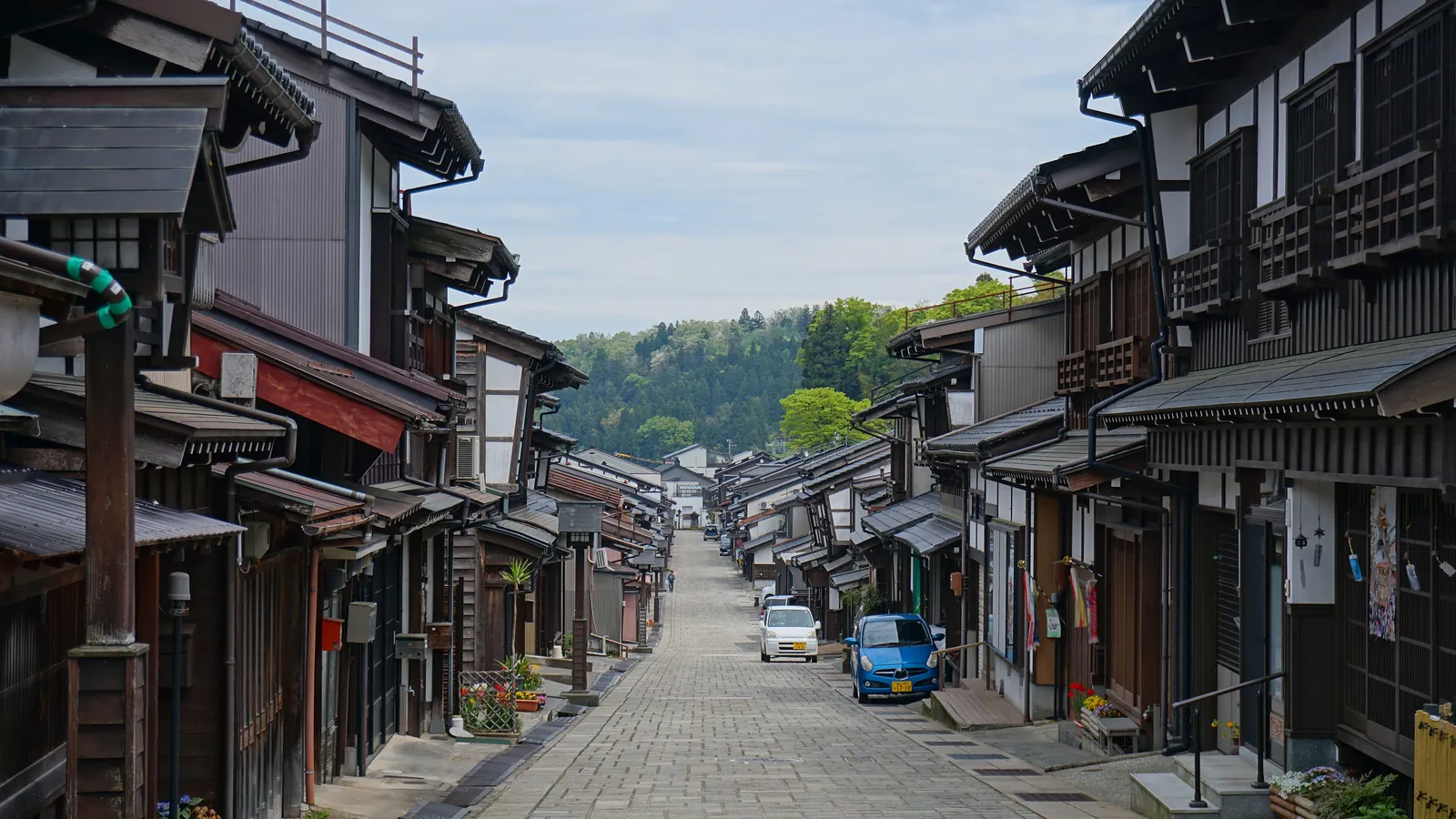
When the rain picks up, people on the street drift naturally under the eaves and form quiet clusters. Nobody goes home; everyone waits beneath the sound of the rain for the music to return. Meanwhile the wet flagstones shine with the light of the paper lanterns (bonbori). When the rain lifts, the air in the street is rinsed clean, and the returning notes of the kokyu carry with a singular clarity. The waiting, too, is part of the festival.
Frequently asked questions
- Does Owara Kaze no Bon go ahead in the rain?
- No: when it rains, the dancing and music are paused. If it is a light rain that looks like lifting, wait; if it is falling hard, let that part of the night go, since the early-September sky can cycle through rain and clearing more than once in a night.
- Why does rain stop Owara Kaze no Bon?
- Because the kokyu and shamisen are delicate instruments vulnerable to damp and rain: the skin over the body changes its voice with moisture, and a soaking damages the instrument itself. The dancers' costumes and amigasa cannot get wet either, so the pause protects the instruments and the people.
- How should you prepare for rain at Owara Kaze no Bon?
- Bring rainwear that leaves both hands free rather than an umbrella, and sturdy shoes with good grip, because umbrellas collide on the narrow slopes and wet flagstones are slippery. While the rain is heavy, do not force it; wait for a lull and then return to the street.