Home › Etchu Yatsuo
The town of Etchu Yatsuo
South of the Toyama plain, on a terrace just before the mountains begin, lies a town of stone-paved slopes and machiya townhouses. This is Yatsuo, Toyama City — Etchu Yatsuo, known across Japan as the home of Owara Kaze no Bon.
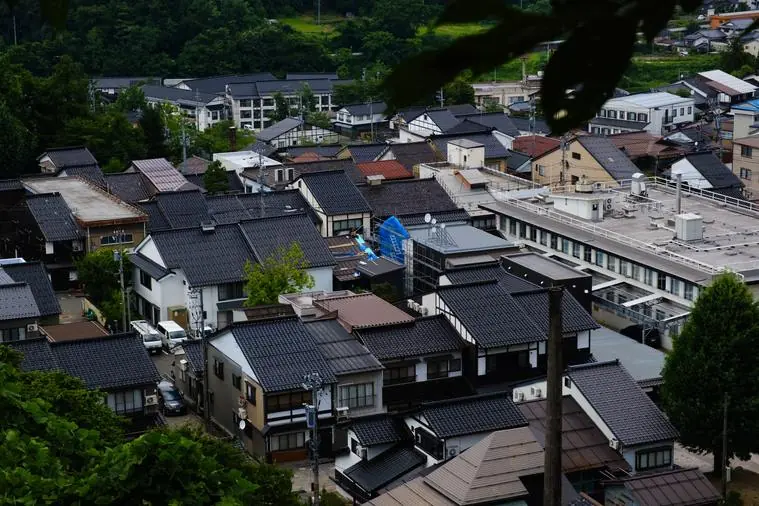
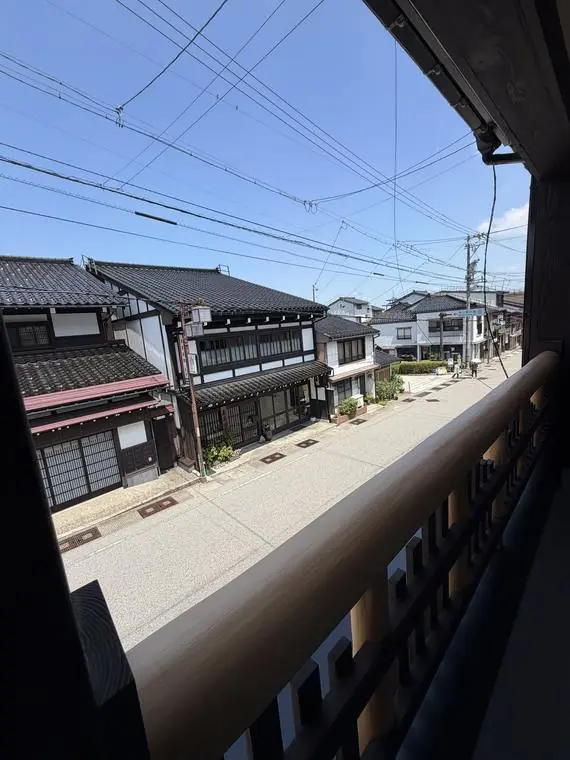
Machiya townhouses along the slopes
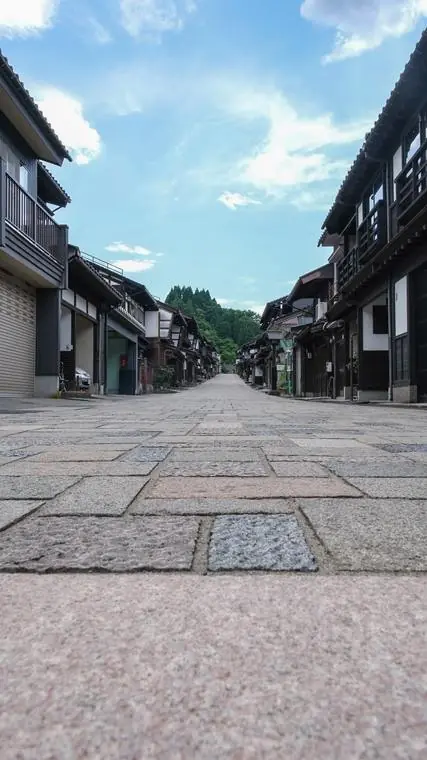
Yatsuo's townscape is inseparable from its slopes. Along the streets of the old quarter — Suwamachi, Kamishinmachi and others — latticed machiya stand in rows, and a simple walk down the street shows how the memory of a country market town that prospered on silk farming and washi paper still lingers. The town is small enough to cover on foot. That is exactly why staying the night, and spending its mornings and evenings, reveals faces of the town a day trip never shows.
Sights within walking distance
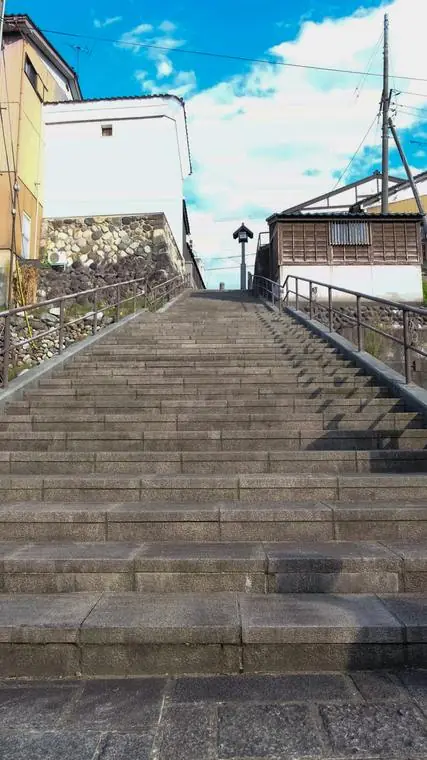
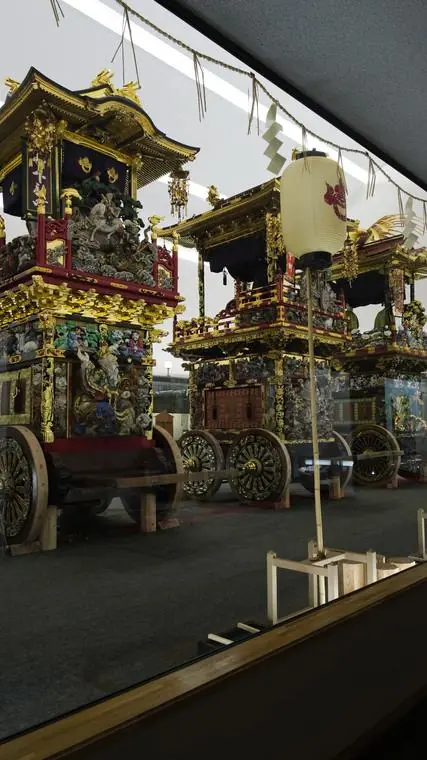
The old quarter can be walked end to end. Suwamachi Street, selected as one of Japan's 100 best roads; the Hikiyama Exhibition Hall, where the ornate hikiyama festival floats can be seen up close; stone stairways linking lane to lane — wander at will and the shape of the town comes into focus. From Toyama Station, the JR Takayama Line takes about 25 minutes to Etchu-Yatsuo Station, and a community bus runs from the station to the old quarter in about 10 minutes.
Owara Kaze no Bon
For three days at the beginning of September every year, the town is wrapped in the songs and dances of Owara Kaze no Bon. The plaintive tone of the kokyu (bowed lute), dancers in amigasa (woven straw hats), the glow of paper lanterns (bonbori). People travel from all over Japan for this festival.
We are writing, little by little, about how to enjoy Owara and the story behind the festival in our articles section.
Understanding Owara Kaze no Bon →
Where to stay for Owara Kaze no Bon →
Stay the night, borrow the town's hours
Yatsuo has inns in kominka — traditional Japanese houses. There is a house you can rent whole, and a small inn with just four rooms. The slope at night, after the sightseeing crowds have gone. The stillness of morning, before the town begins to stir. Only those who stay get to borrow those hours.
Town photos courtesy of Kazenoyado, Etchu Yatsuo (a directly partnered inn)