Home › Etchu Yatsuo › Owara Kaze no Bon › Getting Back After Midnight: Owara Kaze no Bon's Last-Train Problem
Getting Back After Midnight: Owara Kaze no Bon's Last-Train Problem
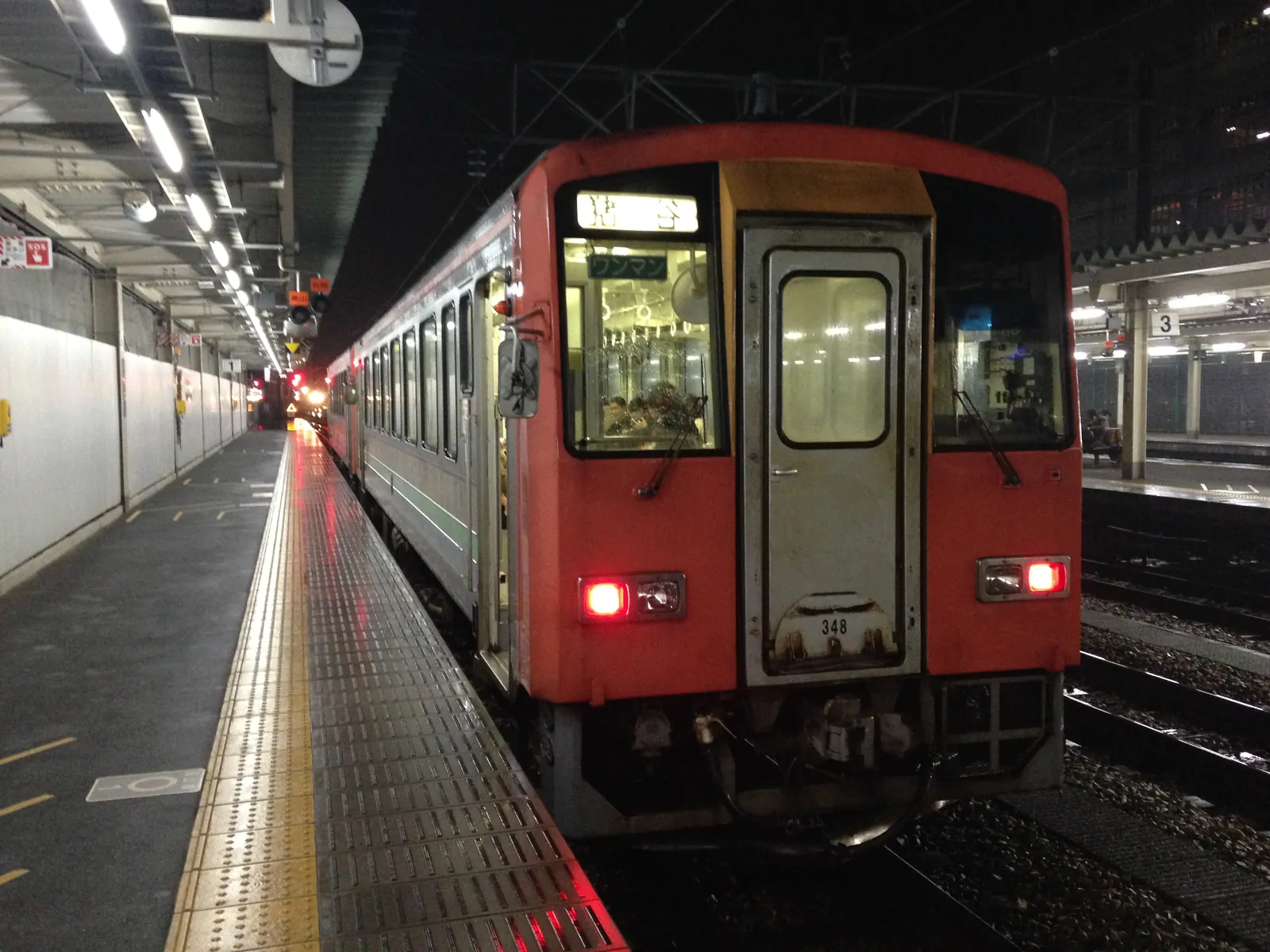
Stay at a hotel in Toyama City and ride out to the festival by train. For Owara Kaze no Bon it is the standard plan, and a sensible-looking one. But the plan comes with a blueprint already drawn in: an itinerary built backward from the ride home. The last train, the hour the parking lot closes, the way back to your hotel — "when to leave" is settled first, and you watch the festival from inside that frame.
On an ordinary trip, none of this matters. At Owara it does, because the festival's deepest hours sit outside the frame.
The way home is built backward from the clock
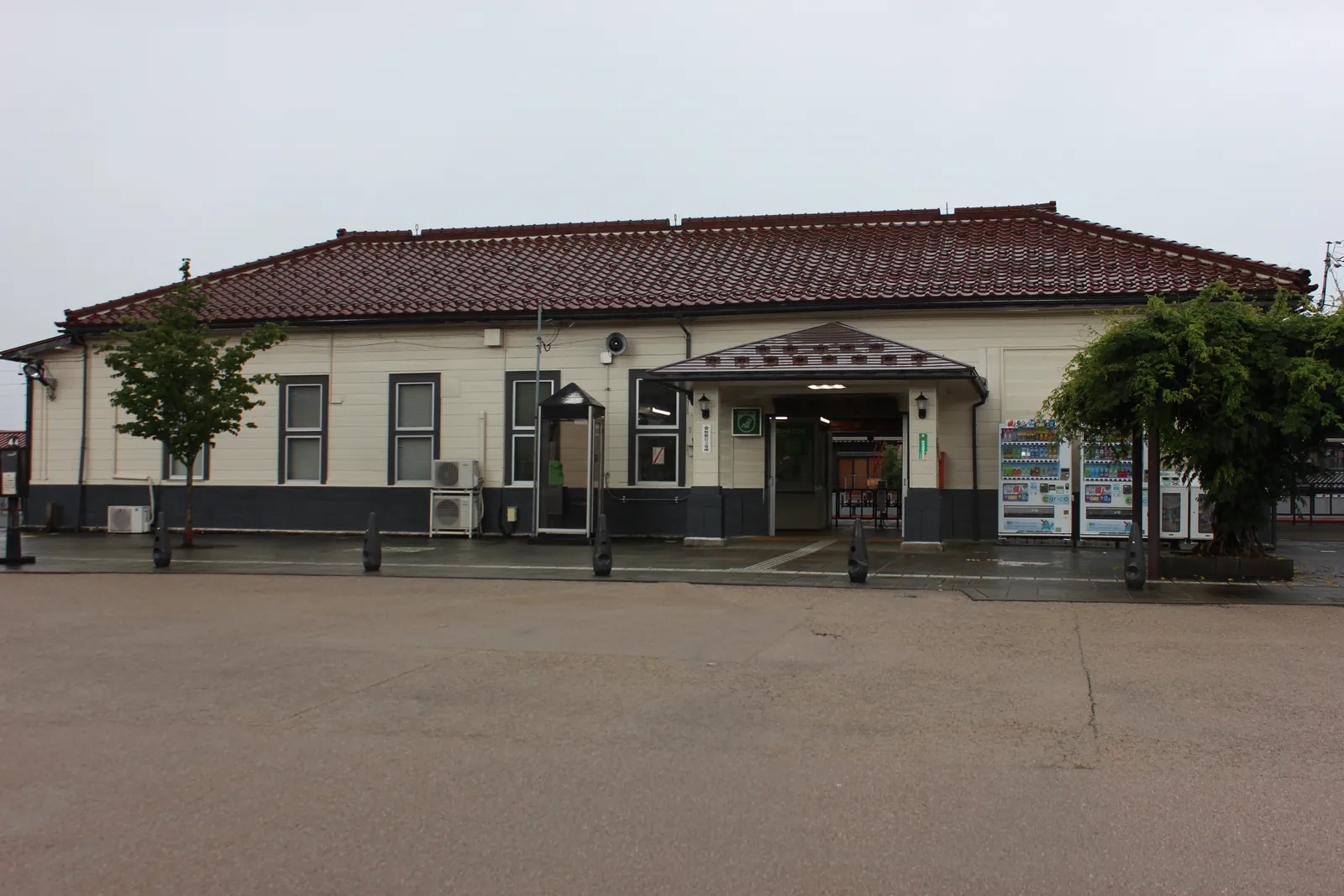
Yatsuo's gateway is Etchu-Yatsuo Station on the JR Takayama Main Line. The town sits up on a river terrace, with a climb between the station and the old quarter. Every year from September 1 to 3, the old quarter is closed to cars, so drivers park outside the restricted zone and walk in. Train or car, the end of your way home carries a time you must be back by.
Extra trains, temporary parking and shuttle arrangements change from year to year. Rather than trusting last year's memory, build one step into your plan: check that year's official announcements before you set out. So far, this is the same principle as our article on driving to Owara.
The festival's best hours keep no timetable
The problem is the thing you came to see. Past eleven, when the tour buses have left and the crowds have thinned, the townspeople's dancing sometimes goes on — an Owara danced not for an audience but for the town itself. No one can tell you when it starts or on which street, and some nights it never starts at all. Yet there are people who will tell you this late-night machinagashi is the real festival.
Here the itinerary and the festival collide head-on. Your departure time is fixed; the time of what you want to see is not. That is the last-train problem. It is not a question of which train to catch — it is a structural problem of the itinerary, and no journey planner can solve it.
If you commute anyway, decide three things
- Before you set out, check that year's official announcements — the traffic-restriction zone, extra trains, temporary parking and shuttles
- Set your leaving time before you enter the town — the later the night, the thicker the crowds on the way out, and the walk down the dark slopes is part of the schedule too
- Make the evening your main event — the stage performances and early machinagashi are well worth the trip even on a commuter's itinerary
Commuting is not a bad plan. The evening has a richness of its own. But the hours when the town returns to its everyday face will stay outside any itinerary built backward from a departure — and drawing your frame knowing that is very different from drawing it unaware.
Or dissolve the problem entirely
The other solution is to throw away the backward blueprint altogether. Sleep within walking distance, and there is no last train and no closing lot to think about. Stay out in the lanes past midnight, listen for a far-off kokyu (bowed lute), and walk back up the slope when you are ready to sleep. The one condition for witnessing what our late-night article calls the town's second time is exactly this.
Yatsuo has only a handful of inns, and for the festival dates the booking calendar moves early. Even so, the next time you catch yourself looking up train times, pause once and turn the question around: could you sleep somewhere you can walk home from? That is where the design of the trip starts to change.
Frequently asked questions
- What is the nearest station to Owara Kaze no Bon?
- Etchu-Yatsuo Station on the JR Takayama Main Line is Yatsuo's gateway, with a climb between the station and the old quarter. Extra-train arrangements change from year to year, so check that year's official announcements before you set out.
- What is the "last-train problem" at Owara Kaze no Bon?
- It is a structural problem of the itinerary: your departure time is fixed, but the time of what you want to see is not. Past eleven, once the crowds have thinned, the townspeople's dancing sometimes goes on, and some say that late-night machinagashi is the real festival.
- Is it realistic to stay in Toyama City and commute to Owara Kaze no Bon by train?
- Yes — the evening stage performances and early machinagashi are well worth the trip on a commuter's itinerary. Just set your leaving time before you enter the town, and know that the late-night dancing will stay outside any schedule built backward from a departure.