Home › Etchu Yatsuo › Owara Kaze no Bon › Late-Night Owara Kaze no Bon: Why You Should Stay Overnight
(updated: )
Late-Night Owara Kaze no Bon: Why You Should Stay Overnight
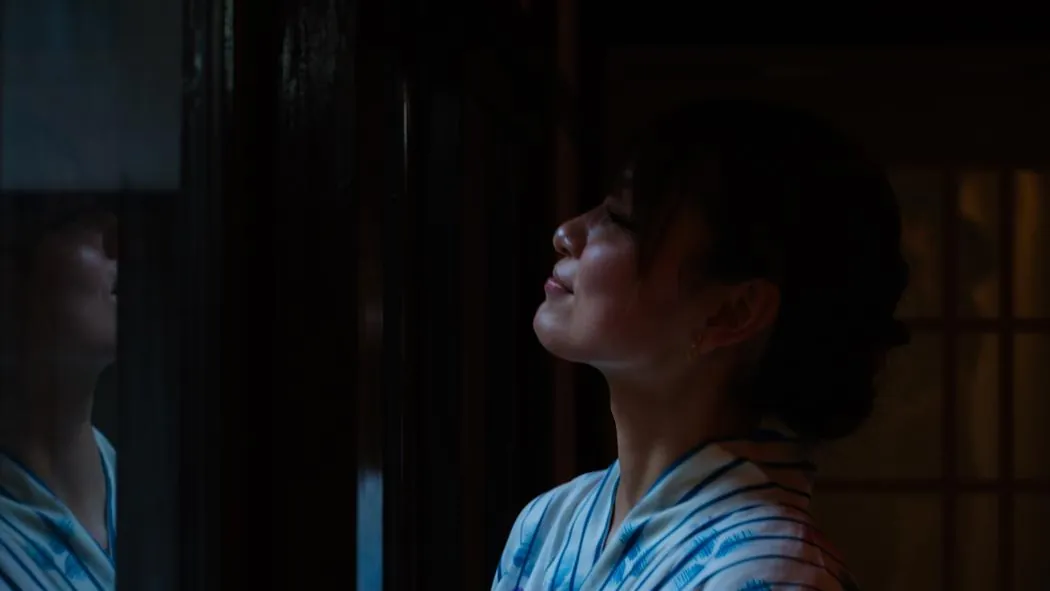
11 p.m., the slopes after the buses leave
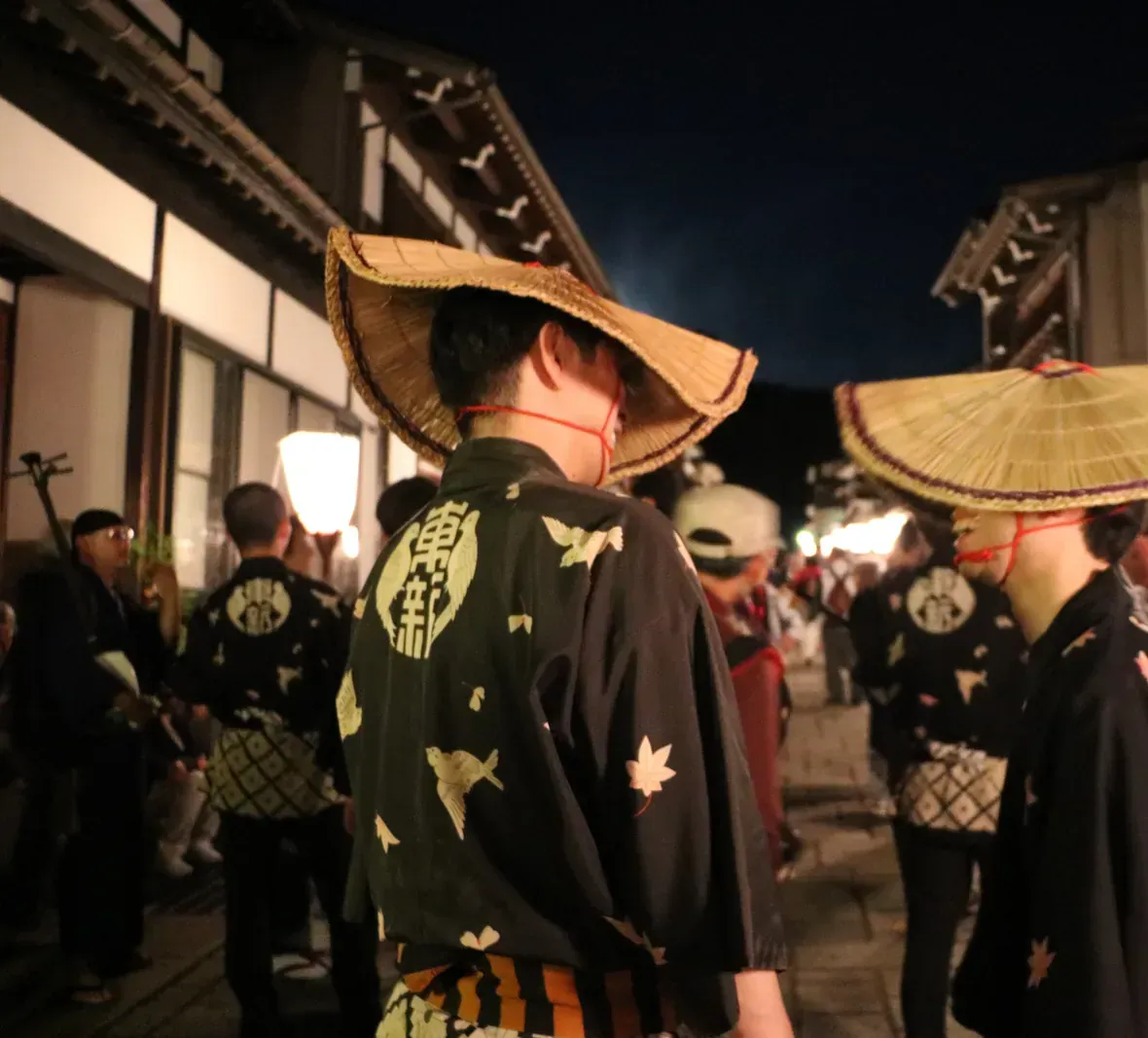
Past eleven at night, the crowds begin to drain from Yatsuo's slopes. The tour buses pull out, the day-trippers head down toward the station, and streets where shoulders were brushing moments ago open up until you can see the joints between the paving stones. The volume of sound, the density of people — it hardly seems the same place it was earlier in the evening. A quiet deep enough to carry the clack of wooden geta and voices from far away comes down from the top of the hill. The night air of early September is cooler than you expect, and a breeze off the mountains touches the back of your neck where the evening's heat has faded.
The change does not come all at once. First the sounds of stalls packing up, then the thinning of voices; then the paper lanterns along the street go dark one by one, starting from the far ends. With every light that goes out, the color of those remaining deepens. What lingers last is sound: a shamisen and a song, still processing down some distant street, reach you across the slope in fragments — and when they too break off, only the sound of the water channels beside the street remains.
And in that stillness, the townspeople's dancing sometimes goes on. An Owara danced less for an audience than for their own town. Neither the hour nor the street is fixed, and on some nights it never begins at all. Even so, there are certainly those who hold that the machinagashi (street procession) of these hours is the real thing.
The tourists' hours and the town's hours
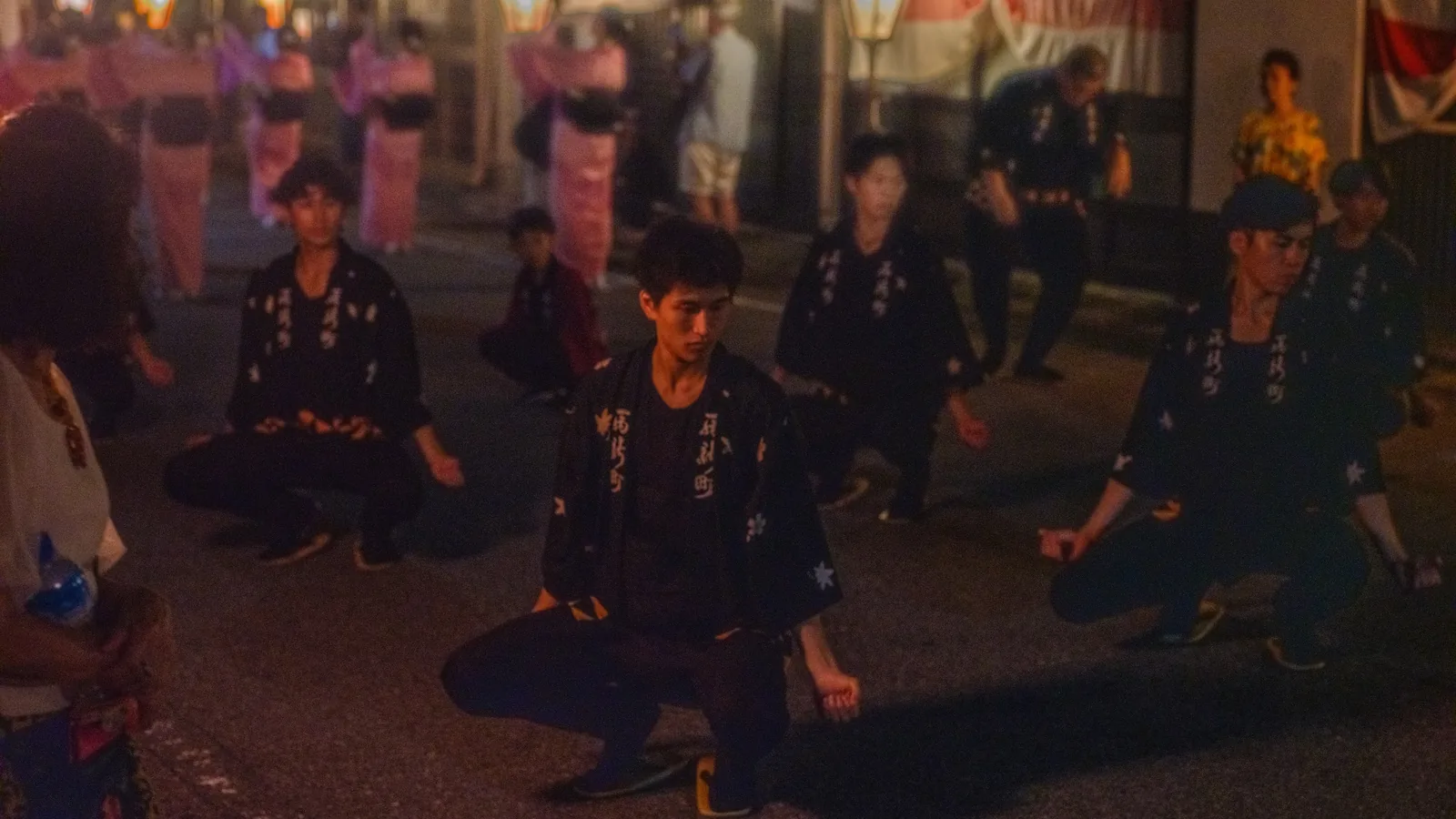
Two kinds of time flow through a night of Owara. The evening belongs to the visitors: stage performances and street processions carry on beyond the walls of onlookers, and the streets fill with festival heat. As the night deepens, the town drifts back into its own time. If the late-night Owara feels more concentrated, it is not because the dancing changes — it is because the town returns to its unguarded face.
To be present at that changeover, there is exactly one condition: not having to worry about the last train or the closing time of a parking lot. On an itinerary that leaves with the crowds, the second kind of time is over before it begins.
With only the lantern light remaining, the slopes take on a depth they never show by day. Walk the lanes in the night wind, listening for a distant kokyu (bowed lute). Even if the night comes to nothing, the memory of walking this hillside town in the small hours stays with you. The only people who can still be in the town at that hour are the ones with a bed within walking distance.
Frequently asked questions
- Does the dancing at Owara Kaze no Bon continue late at night?
- Sometimes, yes: after the crowds recede, the townspeople's dancing carries on. Neither the hour nor the street is fixed and on some nights it never begins, yet some hold that the machinagashi of these hours is the real thing.
- What time do the crowds thin out at Owara Kaze no Bon?
- Past eleven at night the crowds begin to drain away. Once the tour buses pull out and the day-trippers head down to the station, streets where shoulders were brushing open up until you can see the joints between the paving stones.
- What does it take to see Owara Kaze no Bon late at night?
- Only one thing: no last train or parking-lot closing time to worry about, which means sleeping within walking distance. On an itinerary that leaves with the crowds, the town's second stretch of time is over before it begins.