Home › Etchu Yatsuo › Owara Kaze no Bon › Owara Kaze no Bon Eve Festival Suspended: Which Night Should a First-Timer Choose?
Owara Kaze no Bon Eve Festival Suspended: Which Night Should a First-Timer Choose?
"Start with the eve festival" no longer works
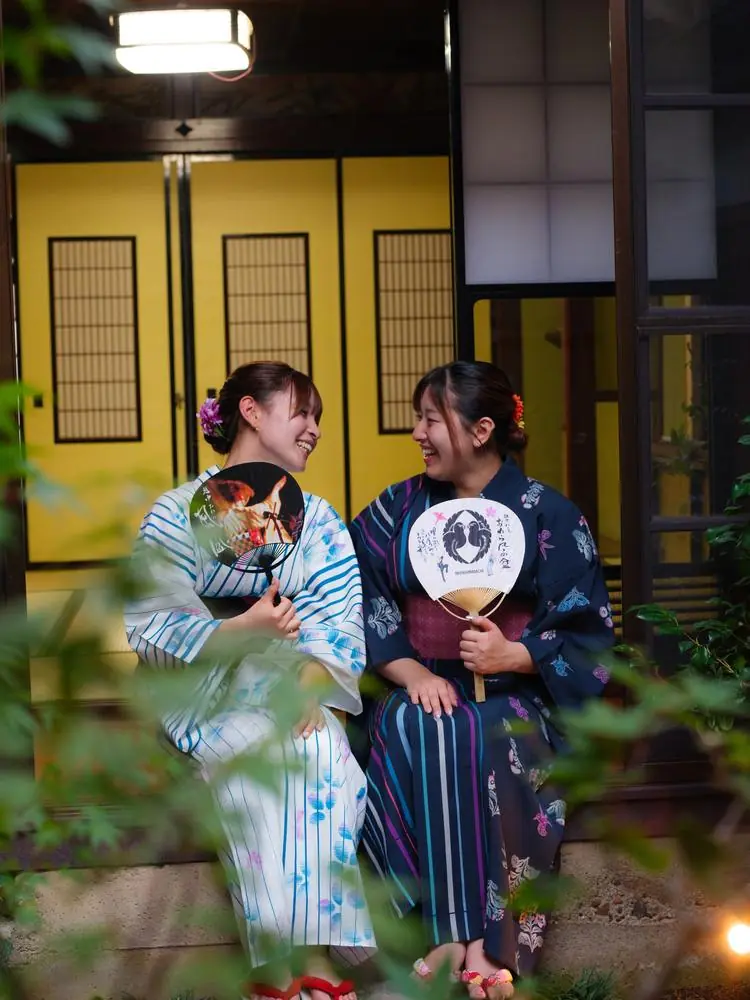
For a first Owara, the long-standing advice was to start with the eve festival (zenyasai) in late August. Neighborhoods (branches) took turns performing night by night, the crowds were lighter than during the main festival, and you could watch a single neighborhood's songs and costumes up close and at leisure. In a typical year it ran from around August 20 to 30.
That eve festival is not currently being held. It has been announced that it is suspended for the time being due to a shortage of performers. For the latest information, including whether it will resume, check the official announcements of the Owara Kaze no Bon festival organizing committee. This article assumes that entry point is closed, and asks which night a first-time visitor should choose instead.
The quiet hours that remain within the main three days
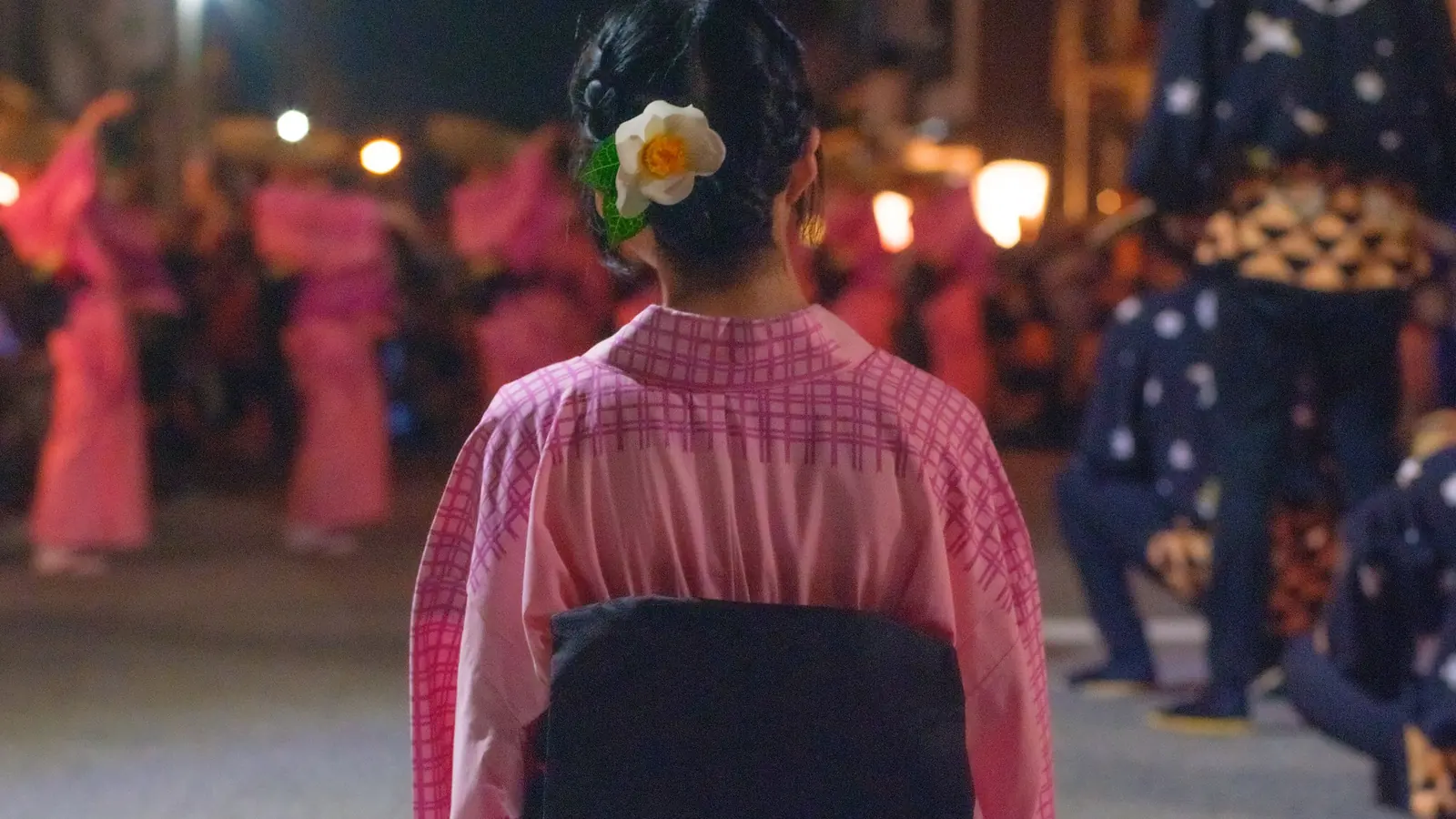
What the eve festival offered was the chance to watch calmly, and up close. Hours close to that still exist within the main festival itself. One is early evening. Before the sun goes down, the machinagashi (street procession) draws thinner crowds, and the details reach your eyes unblocked by walls of onlookers — the movement of fingertips beneath the amigasa (woven straw hats), the fine points of each neighborhood's matching attire.
The other is late at night. Once the peak of the crowds after nine has passed and the tide of people has gone out, there comes a time when a single neighborhood's song sounds alone in the quiet lanes. This is also when the thin, unbroken tone of the kokyu (bowed lute) carries farther than it does by day. The air closest to the old eve-festival nights is found, these days, in those hours.
Reversing the order
If the two-step plan — learn the forms at the eve festival, then plunge into the heat of the main days — is no longer available, reverse the order. In the bright early evening, watch the dancing and the costumes closely and learn the forms. At night, soak up the festival's heat among the crowds. Late at night, go out once more into the emptied lanes, this time to listen. Build both the hours for watching closely and the hours for immersion into a single night.
Whether you can pull this off comes down to whether you can stay in the town late — in other words, whether your bed is within walking distance. Now that the doorway of the eve festival has closed, the calm way into Owara leans more than ever toward staying the night.
Frequently asked questions
- Is the Owara Kaze no Bon eve festival still held?
- No, it is not currently being held: it has been announced as suspended for the time being due to a shortage of performers. For the latest information, including whether it will resume, check the official announcements of the festival organizing committee.
- Which hours are best for a first-time visitor to Owara Kaze no Bon?
- Early evening and late at night. Before sunset the machinagashi draws thinner crowds so you can see the details of the costumes unblocked, and late at night, after the crowds have gone, a single neighborhood's song sounds alone in the quiet lanes.
- Without the eve festival, how should a first-timer plan the night?
- Reverse the order so one night holds both time to watch closely and time to soak it in. Learn the forms by watching the dancing and costumes in the bright early evening, take in the festival's heat among the night crowds, then go out again late at night to listen in the emptied lanes.