Home › Etchu Yatsuo › Owara Kaze no Bon › Why Owara Kaze no Bon Begins on September 1
Why Owara Kaze no Bon Begins on September 1
The answer is in the calendar
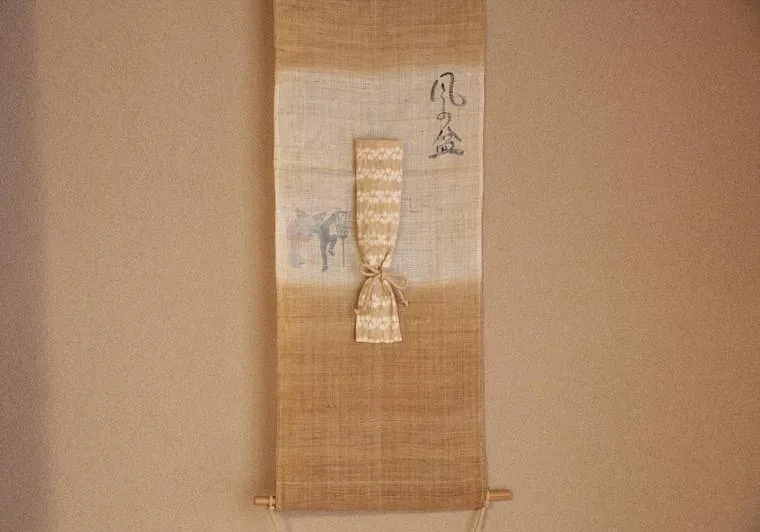
Why does Owara Kaze no Bon begin, every year without fail, on September 1? The answer lies in the calendar. The 210th day counted from risshun, the traditional first day of spring — a date known as nihyaku-toka — falls right around September 1.
Nihyaku-toka was long dreaded as an unlucky day of wind, when typhoons were most likely to strike. The rice stands heavy in the ear, waiting only to be harvested — and one night of gales can flatten a year's crop. For farming families, no day weighed more heavily. And so, in many places, customs arose to calm the wind and pray for a good harvest. Rites to appease the wind existed all over Japan, but the one that survives today — an entire town singing and dancing for three days at the start of September — is Yatsuo's Owara. The kaze (wind) in the name Kaze no Bon refers to this wind.
It began as a prayer — that is why it sounds sorrowful
Owara is said to have been handed down since the Edo period. What began as the townspeople's simple song and dance was refined over the generations: the singing was polished, the kokyu (bowed lute) joined in, and the festival settled into the polished form it has today. But at its root, unchanged, lies a single wish: let the wind not blow.
Seen this way, the reason Owara's songs and kokyu carry such a plaintive tone comes into focus. This is not music for merrymaking; it is music that bows its head before nature. The deep tilt of the amigasa (woven straw hat), the voices never raised, the quiet drift of the procession along the street — every gesture is continuous with an attitude of prayer.
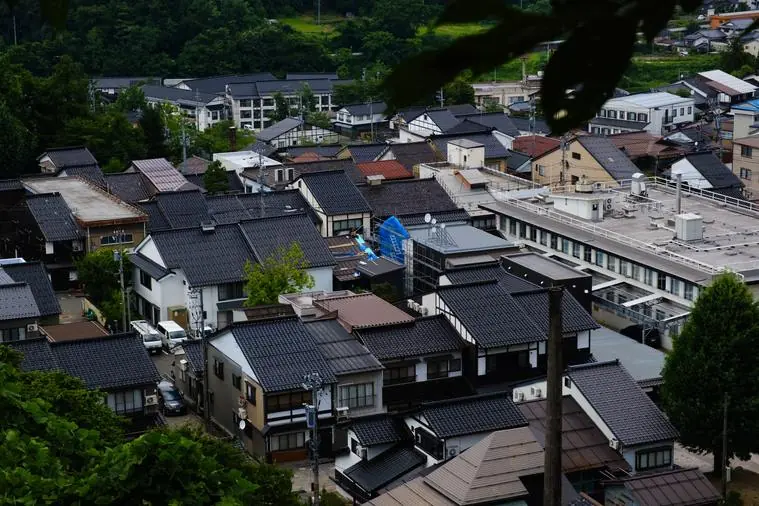
The date of September 1 was set by no one's convenience. In the three most anxious days before the harvest, the whole town turns out to read the temper of the wind. Pause at the top of a slope in the middle of the festival and you feel the night wind crossing the valley town against your cheek. This wind is what the songs have been offered to all along. That plaintive tone is what remains of a prayer.
Frequently asked questions
- Why does Owara Kaze no Bon begin on September 1 every year?
- Because nihyaku-toka, the 210th day counted from risshun (the traditional first day of spring), falls right around September 1. That day was long dreaded as an unlucky day of wind when typhoons were most likely to strike, and customs arose to calm the wind and pray for a good harvest.
- What does the "kaze" (wind) in Kaze no Bon refer to?
- It refers to the typhoon winds around nihyaku-toka that can flatten a year's rice crop. Rites to appease the wind existed all over Japan, but the one that survives as an entire town singing and dancing for three days at the start of September is Yatsuo's Owara.
- Why do the Owara songs and kokyu sound so sorrowful?
- Because at its root Owara is a prayer that the wind will not blow. It is not music for merrymaking but music that bows its head before nature, and the deep tilt of the amigasa and the unraised voices are continuous with that attitude of prayer.