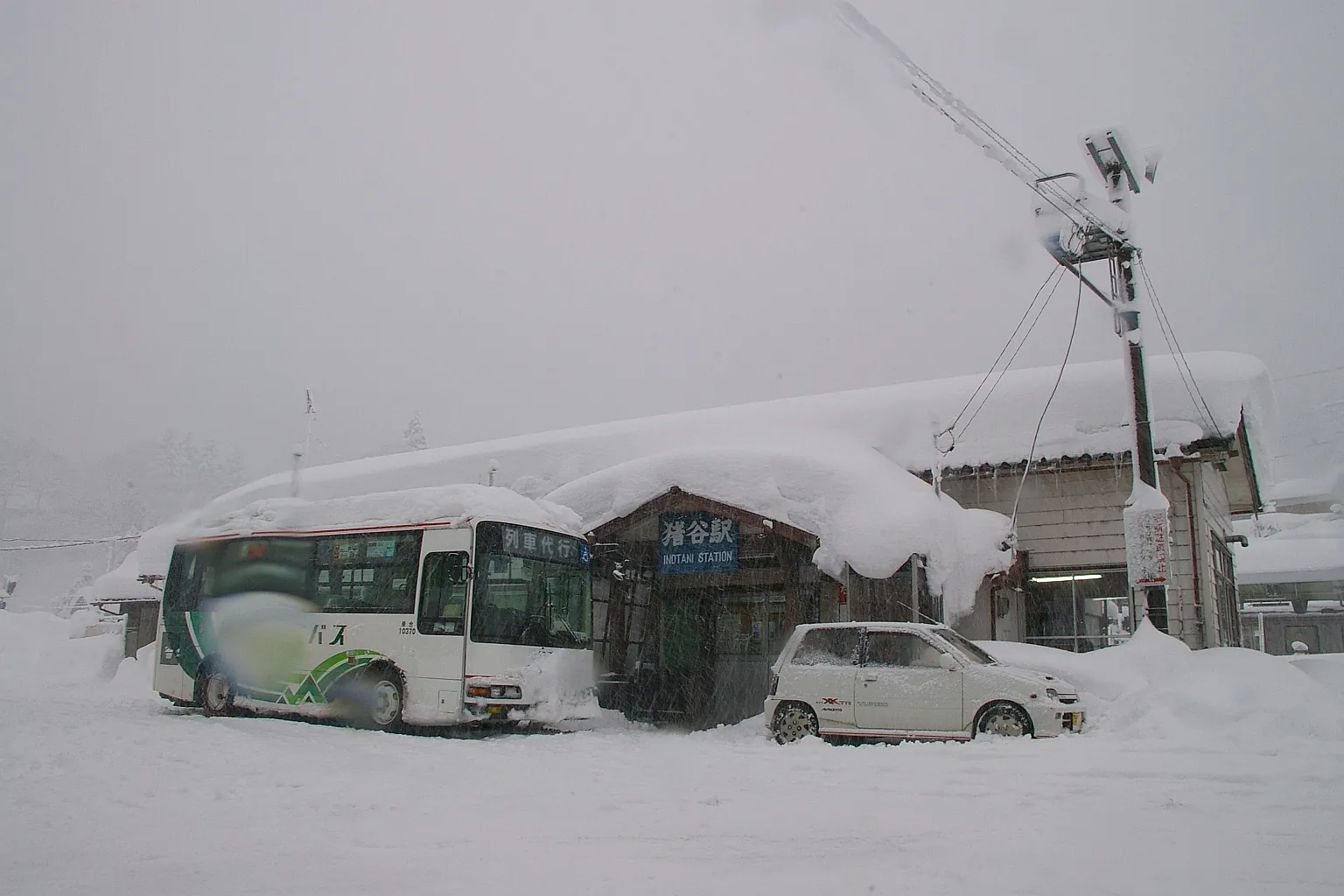
Snow is not something to dodge — it is the premise of the trip
The first decision of a winter trip to Toyama is not the destination and not the lodging. It is to treat snow not as something that falls if your luck is bad, but as something already falling. That one shift makes both the packing and the state of mind lighter. You are stepping into a land where living with snow is everyday life, and you fit yourself to that everyday. The whole philosophy of packing is just that.
- Shoes that will not slip; waterproof is better still
- Dress in layers you can add and shed with the swings between indoors and out
- Leave slack in your travel times and do not overload the schedule
- Rank the places you want to see, in a form you can reshuffle with the sky
- Check road and transport conditions against official information on the day
The winter sky is changeable, and the clear spells never last long. So keep the plan unfixed: when it clears, look at the mountains; when it snows, get under a roof. That is how to walk Toyama in winter. And once the packing is done, winter starts working in your favor.
What the packing buys you: a Toyama that exists only in winter

The high point of the season's table is kanburi, the winter yellowtail. This fish, at its fattest in the cold months, is a headliner that some travelers time their whole trip around. Ducking through the steaming curtain of an eatery with a body chilled through — winter eating includes that moment in the feast.
On clear days, the snow-covered Tateyama mountain range stands up beyond the plain. On hard-frozen winter mornings at Amaharashi Coast, there are dawns when the snowy range shows beyond kearashi, the sea smoke that climbs off the water like steam. Sea smoke is born of the temperature gap between seawater and air, and the bitterest mornings are the ones most likely to produce it. It is a landscape drawn by the cold, never to be seen in summer.
And on days of falling snow, the towns go quiet. The snow swallows sound until you could count the footsteps in the street. The soft slump of snow slipping from the eaves, the squeak of boots in fresh powder. A trip for listening to snow exists only in winter.