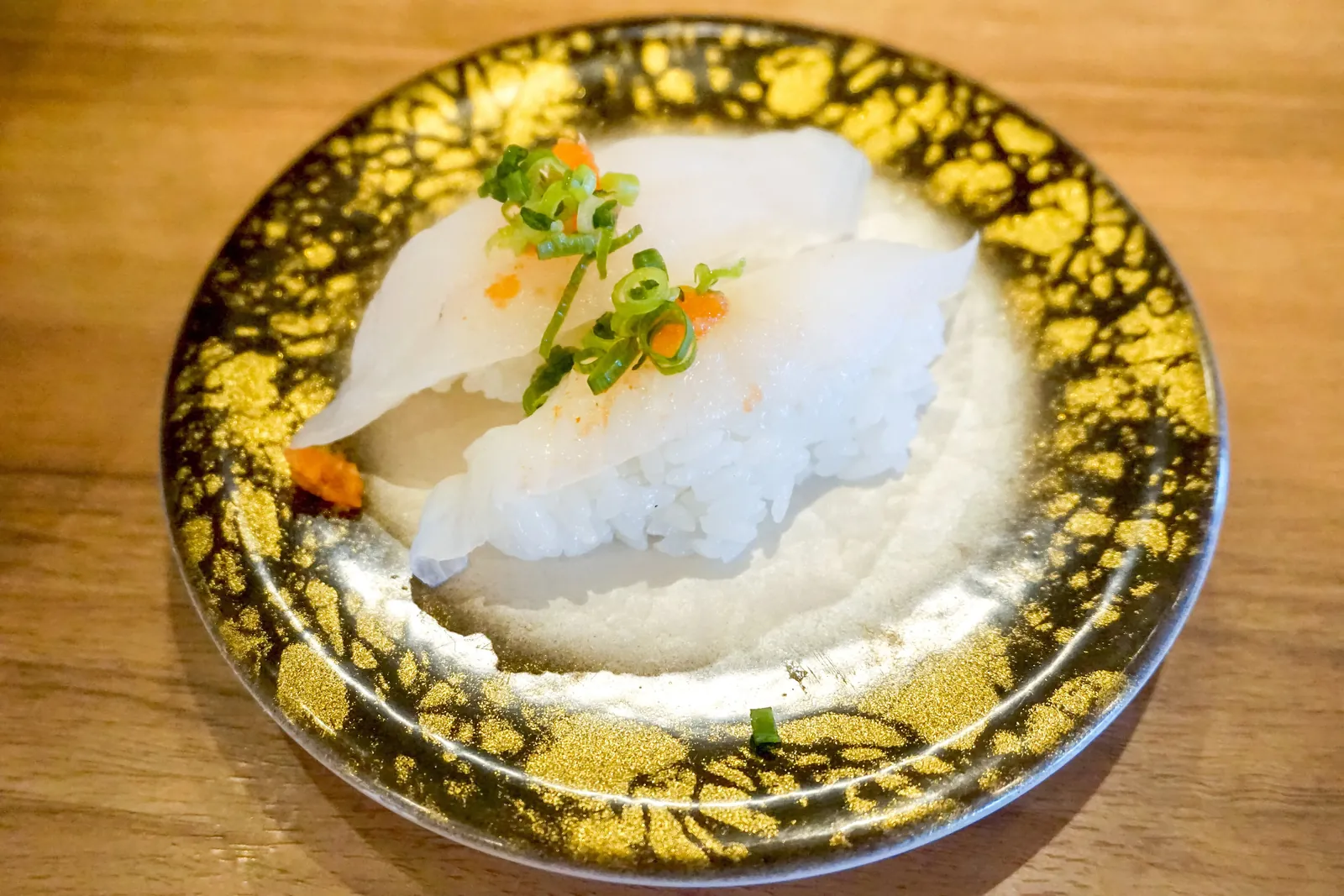
The Answer Is in the Terrain, Not the Restaurant
Why is sushi in Toyama so good? The shortest answer to that question is the shape of the bay. Toyama Bay drops away steeply as soon as you leave the shore, holding everything from shallows to deep sea within a single bay.
Different depths mean different fish. Species that favor warm water, and species that live in the cold of the deep — a lineup that would normally require sailing to separate seas lands at the same ports here. The variety in a sushi chef's case is a faithful copy of the bay's cross-section.
Behind the bay stands the 3,000-meter Tateyama mountain range, its waters pouring in as river after river. Few places in the world, it is said, pack the drop from deep seafloor to mountaintop into so short a distance. A sea this close to the mountains also feeds its fish on the nutrients the rivers carry down.
Ports This Close to the Fishing Grounds
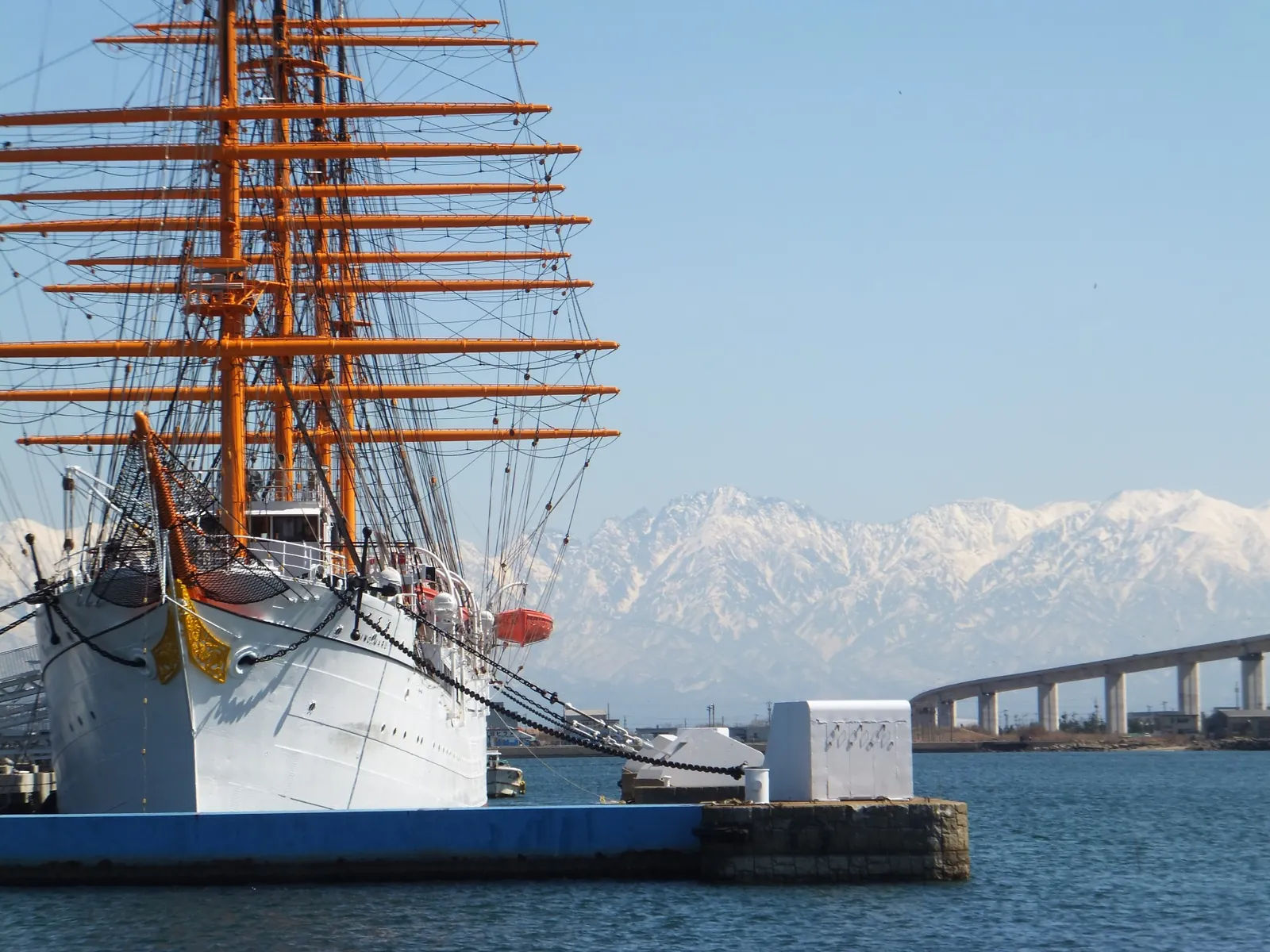
The other answer is distance. In a steeply plunging bay, the deep fishing grounds lie close to shore. There is no need for long runs out to sea, and the catch comes back to port in a short time. To the market before the freshness fades, and then to the sushi counter. Fish landed in the morning can be on the plate that same evening. Half of the flavor is built on this closeness.
Eating a Different Bay Each Season
In a bay that gathers this many kinds of fish, the stars of the counter change with the seasons. Spring belongs to the firefly squid, which draw near the coast to spawn, and to the pale cherry-pink shiroebi (white shrimp). The shiroebi season opens in spring, when gunkan and nigiri heaped with the small shrimp arrive carrying a translucent sweetness. A plump piece of firefly squid is the news that spring has reached the bay.
In autumn, when red snow crab begins to come up from the deep water, the bay starts its preparations for winter. And winter's star is the kanburi, the cold-season yellowtail. It puts on rich fat just as the sea turns rough, and a cut from the belly comes apart softly in your mouth. Sit at the same seat in the same restaurant, and when the season has changed, you are eating a different bay.
What Comes After the Last Piece
Toyama sushi goes beautifully with local sake brewed with water from the same system. But if you have come by car, you cannot lift the cup. And once you start watching the clock for the train home, the last piece becomes a hurried one.
There is one way to receive, to the very end, all the flavor that the bay's depth and the nearness of its ports have built up. The greatest luxury is a bed within walking distance of the last piece.