
The Scent of Steamed Rice in a Winter Town
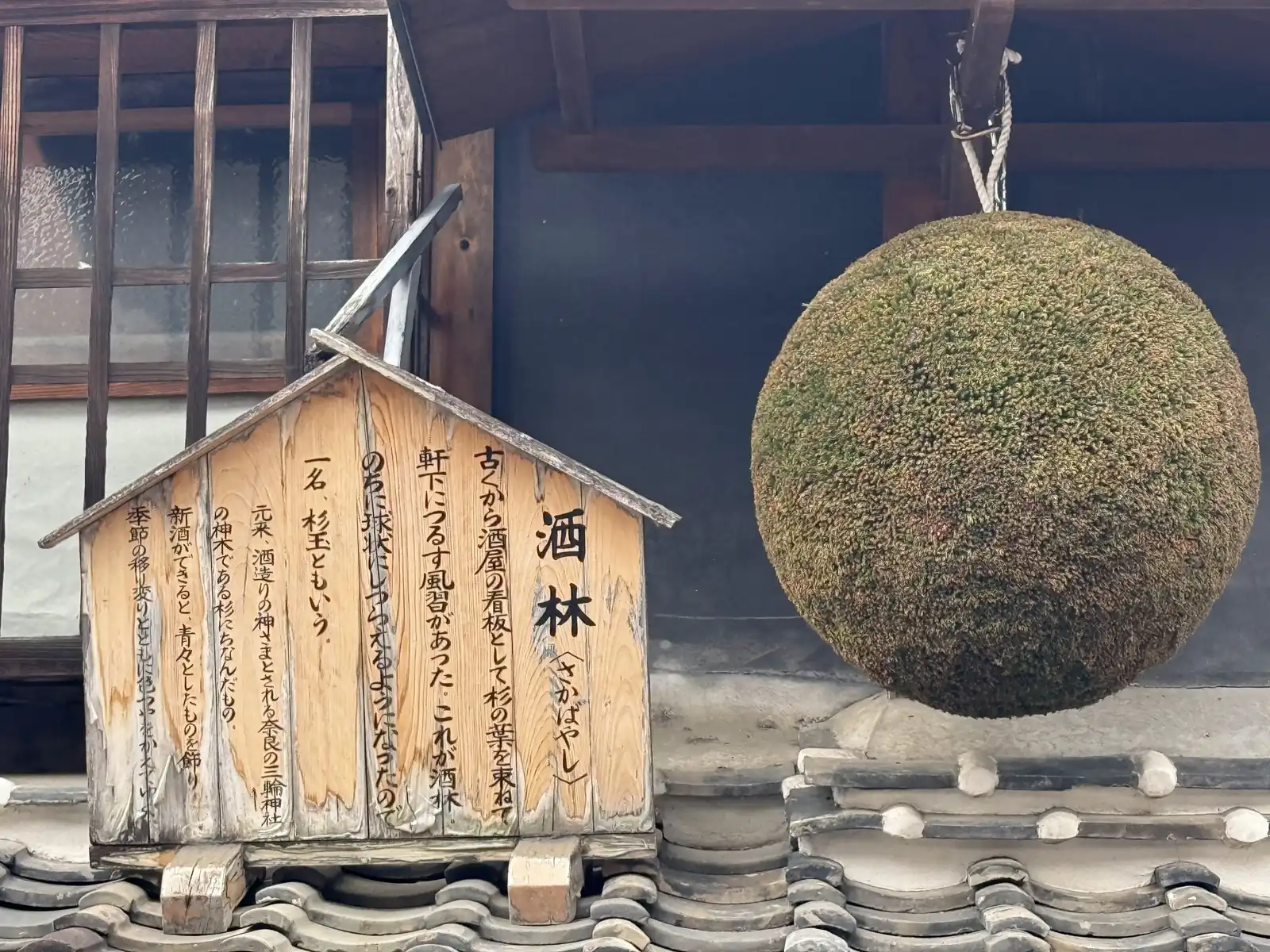
Walk through a brewery town on a winter morning and you notice white steam rising above the rooftops. The faintly sweet smell of steamed rice drifts into the lanes. A fresh sugidama (ball of cedar sprigs) hangs under the eaves, and in the still, cold air, the only sign of activity comes from inside the brewery. Winter in Toyama is sake-brewing season.
The severe cold is, if anything, an ally of the brewer. The lower the temperature, the more slowly fermentation proceeds, allowing a careful brew with little roughness in the flavor. The winters of this snowbound region directly support the quality of the sake.
The Water in Your Cup Came from the Mountains
Talk about Toyama sake always comes back to water. Snow that piles up on the Tateyama mountain range melts slowly, seeps into the ground to become subterranean water, and descends to the plain over long years. The breweries stand on those veins of water and draw them up for brewing. The clear liquid in your cup is, in a sense, snow from winters years past in another form.
As for the style, Toyama sake is often described as clean and light. The soft character of snowmelt water seems to come through in the very feel of it on the tongue. Paired with fish from Toyama Bay such as winter yellowtail or shiroebi (white shrimp), it quietly supports the fish's delicacy from below without erasing it. Perhaps the local sake sits so well beside the local catch because both were raised on the same water. Breweries are scattered through seaside towns and mountain towns alike, and even within one prefecture, sake drawn from a different vein of water shows a different face in the cup. Comparing them is also a way of tasting the watersheds apart.
A Night When You Can Order a Second Cup
Local sake comes with one immovable fact: if you drink, you cannot drive. On a day trip, you can end up in sake country able only to look at the cup. The moment you decide to spend the night in this region, that constraint disappears. You gain the ease to move back and forth with the food — chilled sake with sashimi, warmed sake with yellowtail shabu-shabu. Only on a night with no car to worry about can you order the second cup.